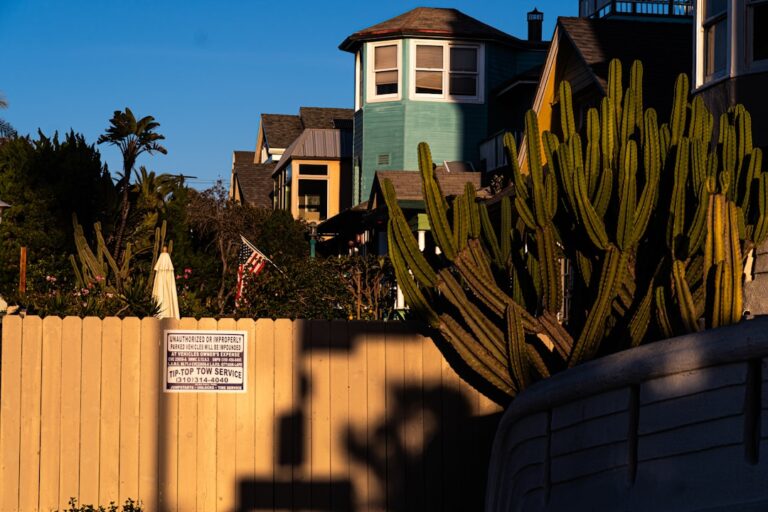
We Buy Houses in Historic South-Central, CA
- Foreclosure, inherited, tenants, damage — we buy it
- Zero fees, zero commissions, zero closing costs
- No obligation — turn the offer down and owe us nothing


Fast, Fair, and Reliable Offers
Sell your house fast with our cash home buying service. No fees, no hassles, just a straightforward sale. Get your offer now.
Selling in Historic South-Central? Here is the quick answer
We can buy your Historic South-Central property as-is, with no requirement to repair, renovate, stage, or prepare it for repeated showings before requesting an offer. After reviewing the property information, we can typically provide a written cash offer within 24 to 48 hours. Requesting an offer does not obligate you to sell.
Best fit: inherited homes, tenant-occupied rentals, vacant properties, houses with deferred maintenance, major repairs, code or title complications, or sellers who value timing and certainty. A market-ready home may still benefit from a traditional listing, so compare the likely net proceeds rather than only the headline price.
Compare the real cost of selling in Historic South-Central
For a traditional sale, consider repairs, cleaning, landscaping, staging, concessions, agent compensation, inspection negotiations, appraisal risk, financing delays, and carrying costs. A direct cash offer may be lower than a fully prepared retail sale, but it can remove many of those expenses and moving parts.
Property condition can change that calculation quickly. Roofing, plumbing, electrical, HVAC, drainage, foundation work, or deferred maintenance can add substantial cost. An as-is offer lets you compare selling in the current condition with the time and money required to prepare for the open market.
Timing, occupancy, and certainty
Some sellers need a faster closing because of relocation, inheritance, carrying costs, foreclosure pressure, or a vacant property. Others need more time to move, coordinate family members, work with tenants, or complete title or probate paperwork. The closing schedule can be discussed as part of the offer.
Occupied properties can also be reviewed. Disclose tenants, family occupants, access limitations, and any belongings that may remain so the responsibilities and closing expectations are clear before signing.
Review the agreement, not just the price
Confirm the purchase price, deposit, due-diligence terms, closing date, title and escrow responsibilities, seller-paid costs, financing requirements, and what happens if a party cannot close. Financed buyers can be affected by appraisal, underwriting, insurance, lender conditions, and inspection negotiations. A cash transaction can remove several of those dependencies, but every contract should still be reviewed on its own terms.
Start by requesting a written offer, then compare it with the realistic amount you would expect to keep from a traditional sale after preparation, concessions, carrying costs, and transaction expenses. If the direct sale does not make sense for you, there is no obligation to proceed.
What can change your net proceeds in Historic South-Central?
The biggest difference between selling options is often not the advertised price but what remains after closing. Estimate repair and preparation costs, the time required to complete them, and the carrying costs you would continue paying. Mortgage payments, taxes, insurance, utilities, HOA charges when applicable, landscaping, and routine maintenance can continue until the sale is complete.
Inspection and financing affect certainty too. A financed buyer may request credits or repairs after inspections, and the lender may impose appraisal, insurance, underwriting, or property-condition requirements. Those issues belong in the comparison with a direct as-is offer because they can change both timing and net proceeds.
Occupancy, title, probate, liens, permits, and access can also affect the transaction. Discuss known issues early so the purchase agreement can reflect realistic responsibilities and a workable closing date.
When reviewing an offer, confirm the deposit, contingencies, due-diligence period, closing date, financing requirements, escrow and title responsibilities, seller-paid costs, and cancellation terms. Comparing the complete package gives you a clearer decision than comparing price alone.
Want a number first? Call or text (424) 493-4424 or use the cash-offer form above.
For Historic South-Central sellers, the most useful comparison is usually the net result after time and costs, not just the advertised price. Consider the repairs you would complete, how long you are comfortable carrying the property, whether repeated access is practical, and how much certainty you want around closing. If a direct sale saves enough time, preparation, or transaction risk to justify the price difference, it may be the better fit. If the home is retail-ready and you have flexibility, listing may still make more sense.
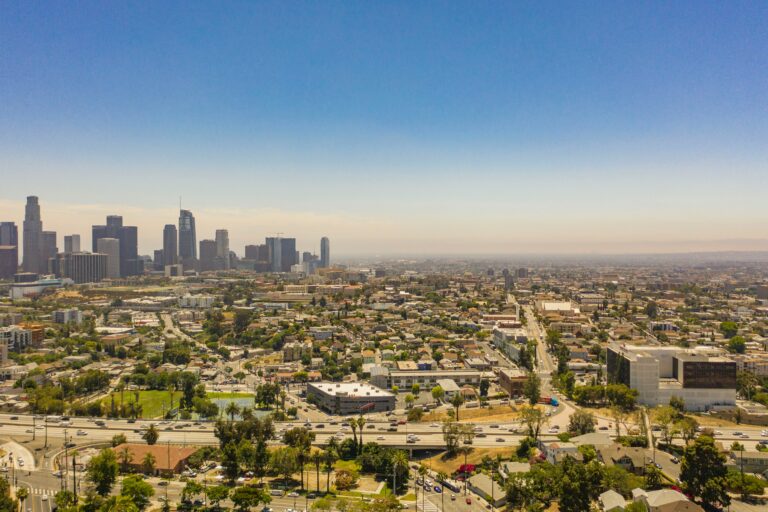
Historic South-Central sits just south of downtown Los Angeles, in the corridor that Biddy Mason’s landholdings helped anchor for the city’s Black community from the late 1800s through the mid-20th century, when South Central Avenue was lined with jazz clubs. By the 1990s the neighborhood’s population had shifted heavily to Latino immigrant families drawn by affordable housing close to downtown, and today renters occupy nearly 80 percent of the housing here, one of the highest rental shares of any Los Angeles neighborhood. That rental concentration, more than anything else, is what shapes how a property here actually sells.
Cash Home Buyers CA is based in Woodland Hills, roughly 30 minutes from Historic South-Central via the 101 and 110. We buy houses, duplexes and small apartment buildings in the neighborhood, put a written cash offer in front of you within 24 to 48 hours, buy as-is with no repairs or showings, and close whenever works for you.
What the market looks like near downtown’s south edge
Redfin’s June 2026 data for the broader South Central LA area, which overlaps Historic South-Central, shows a median sale price of about $574,800, down 19.0 percent from a year earlier, on just 13 sales and a median of 58 days on market. That is a smaller, slower slice of the citywide market than most South LA neighborhoods, and with limited comparable sales in the immediate footprint we price properties block by block rather than off a single citywide figure.
The Metro rail line along Washington Boulevard has drawn some new investment nearby, and a remodeled house or a newer condo close to the line can attract a financed buyer. The older rental stock that dominates the neighborhood, small multi-unit buildings and century-old houses converted to apartments, is a much harder sell to a lender, and that is where an all-cash purchase matters most.
What applies when you sell here
- Transfer tax: The combined City of Los Angeles and county rate is $5.60 per $1,000. On the area’s roughly $574,800 median that comes to about $3,220, ordinarily paid by the seller.
- The 9A report: Los Angeles requires the Department of Building and Safety’s Report of Residential Property Records before close, along with certified seismic gas shutoff valve, low-flow fixtures and smoke and CO detector installation. We handle and pay for this on our purchases.
- Rent Stabilization Ordinance: Given the age of most buildings here, a large share of the rental stock qualifies for RSO, and the rest falls under the citywide Just Cause Ordinance, both of which limit no-fault evictions and require relocation payments.
- No fire zone or coastal costs: The neighborhood sits on flat ground just south of downtown, with no Very High Fire Hazard Severity Zone, no coastal proximity and no Mello-Roos district affecting a sale here.
Century-old buildings between Washington and Vernon
Historic South-Central covers about 2.25 square miles bounded by Washington Boulevard on the north, Central Avenue on the east, Vernon Avenue on the south, and the Harbor Freeway on the west, adjacent to South Park, Vermont Square, Exposition Park and University Park. The housing dates largely to the early 1900s through the 1940s, small single-family houses, many converted or built as multi-unit rentals, alongside landmarks like the Bob Hope Patriotic Hall that speak to the neighborhood’s long history as one of the city’s original streetcar suburbs.
We buy houses, duplexes and small apartment buildings across the neighborhood. The properties that make the most sense for a cash sale are early-1900s houses that have been rentals for generations, buildings with deferred maintenance that a bank’s appraiser would flag, and estates where the current owner lives elsewhere and just wants the sale done.
Why Historic South-Central owners call us
- Landlords with occupied units. We buy tenant-occupied houses and buildings in Historic South-Central with leases intact, no notices and no vacancy wait.
- Families settling an estate. An inherited house in this part of Los Angeles can be sold from a trust or through probate without repairs or cleanout first.
- Owners in default. If a notice of default has been recorded, we can close on a house in foreclosure before the trustee’s sale, protecting whatever equity remains.
- Century-old houses that won’t pass an appraisal. Original wiring, foundation issues or unpermitted units can all be sold as-is without a repair negotiation.
We also close divorce sales, work with owners on a relocation timeline, and help anyone who needs to sell a house fast near downtown’s south edge.
Escrow, the 9A report and recording for a sale here
After we agree on a price, we open escrow, order a preliminary title report, and request the 9A report from Building and Safety immediately, since it usually paces the closing. For occupied rentals we collect the current leases and rent roll during escrow to keep RSO compliance clean. Probate estates go through the Stanley Mosk Courthouse downtown, a short drive from the neighborhood; a straightforward trust sale skips that step.
The deed records at the Los Angeles County Registrar-Recorder/County Clerk’s office in Norwalk, and proceeds go out by wire the day the county confirms recording. A vacant property with clear title usually records in two to three weeks after the 9A report is back; occupied buildings and probate sales typically take three to six weeks.
Listing versus a direct sale in Historic South-Central
On a roughly $574,800 sale, a 5 to 6 percent commission runs about $29,000 to $34,000, on top of roughly $3,220 in combined transfer tax and the cost of the 9A report and retrofit items. A remodeled house or newer condo near the Metro line will often still net more listed, and we’re upfront about that when we see one.
Our offer competes hardest on the older rental stock that makes up most of the neighborhood: multi-unit buildings, century-old converted houses, and estates nobody wants to manage through a listing. Once financing risk, repairs and months of carrying costs come off a listing price on one of those, our number is usually close, with a date you can count on.
Historic South-Central seller questions
What does the latest Redfin data show for the South Central LA area?
Redfin’s August 2026 update for the broader South Central LA area, which overlaps Historic South-Central, shows a median sale price of about $588,000 for the three months ending in August, down 27.4% from a year earlier, with a median of 72 days on market and 19 sales in August. With so few sales, one month can swing that median sharply.
Do you buy houses in Historic South-Central with unpermitted units?
Yes. Many older houses here were converted into extra units over the decades. The 9A report shows what the city has on record, you disclose what you know, and the offer reflects the unit’s status without requiring you to legalize or remove it first.
Will you tell me if listing would net more than your offer?
Yes. A remodeled house or newer condo near the Metro A Line can do better on the open market, and we say so when that fits your property. The written offer is yours to compare either way.
Is Historic South-Central its own city or part of Los Angeles?
It’s a City of Los Angeles neighborhood just south of downtown, so the city’s transfer tax, the 9A report, and the Rent Stabilization Ordinance all apply here the same as in University Park or South Park next door.
A lot of the housing near me is old. Does that matter for a sale?
It can help or hurt depending on condition. Pre-1978 rental buildings usually qualify for RSO protections, and older wiring, foundations or additions can trip up a lender’s appraisal, which is often where a cash sale is simpler.
Can I sell a house or building in Historic South-Central with tenants still living there?
Yes. We buy occupied properties as-is, keep the tenancy intact, and escrow handles the deposit transfer, with the new owner registering with the city so the tenants don’t need to move.
The area has seen a lot of change since the 1990s. Does that affect what my house is worth?
Demand near downtown and the Metro A Line corridor has grown, but exact price data is limited for this specific footprint, so we price each property against recent comparable sales in the immediate blocks rather than a citywide average.
How fast can you close on a property here?
Two to three weeks for a vacant house or building with clear title; three to six weeks for occupied rentals or an estate going through probate. You choose the closing date.
If you own a house or small building in Historic South-Central and want a real cash number, call or text 424-493-4424. We’ll see the property once and send a written offer within 24 to 48 hours with no obligation. The steps from that first call to a recorded deed are laid out on our how it works page.
Selling a house in Historic South Central: what to know
A few local details that shape timing and net proceeds when you sell in Historic South Central.
County & probate court
Historic South Central is a City of Los Angeles neighborhood in Los Angeles County. Probate and trust matters for Historic South Central properties are heard by the Superior Court for Los Angeles County, and deeds are recorded with the Los Angeles County Recorder.
Transfer tax
Los Angeles County charges a documentary transfer tax of $1.10 per $1,000 of the sale price. The City of Los Angeles adds $4.50 per $1,000, and Measure ULA adds 4% on sales above roughly $5 million (5.5% above roughly $10 million). When you sell to us, we pay the standard closing costs.
Tenant & rent rules
Rental homes in Historic South Central can fall under the Los Angeles Rent Stabilization Ordinance (RSO), which limits rent increases and requires just cause for most evictions, in addition to the statewide Tenant Protection Act (AB 1482). We buy tenant-occupied homes and take over the leases at closing.
Nearby cities we buy in
Seller Guides
Helpful guides for homeowners in Historic South Central
Plain-English answers to the questions sellers ask us most.
 Divorce
Dividing a Los Feliz Hillside Home in a CA Divorce
Splitting a Los Feliz hillside home in a California divorce? See how community property division works and what hillside zoning limits a buyout.
Read the guide →- Selling as-is
As-Is Disclosure Rules for a Tropico, CA Home
Selling a house as-is near Tropico in Glendale? See California's TDS disclosure rules and why Tropico hasn't been its own separate city since 1918.
Read the guide → - Foreclosure & liens
The Foreclosure Timeline for an Artesia, CA Homeowner
Artesia homeowners get about 110 days between a recorded Notice of Default and a trustee sale. Here's how California's two waiting periods work.
Read the guide → - Selling as-is
As-Is Doesn’t Skip Disclosure in Valley Glen — And the City Adds One More Step
Valley Glen sellers must meet California's as-is disclosure laws plus one extra City of LA requirement that many nearby unincorporated areas never face.
Read the guide → - Selling for cash
What Slows Down a Home Sale in San Fernando, CA
San Fernando is its own independent city inside LA, with its own permits and city hall. Here's what that means for a fast, as-is cash sale today.
Read the guide → - Selling for cash
Sell House Fast Los Angeles: The Real Costs of Each Option
Commissions, iBuyer fees, and holding costs compared to a direct cash sale when selling fast in Los Angeles.
Read the guide → - Selling for cash
We Buy Houses in Los Angeles: How the Process Actually Works
Step by step: how a we buy houses sale works in Los Angeles, from first contact to closing in 7-14 days.
Read the guide → - Selling for cash
We Buy Houses Los Angeles: How to Spot a Legitimate Buyer
Red flags, questions to ask, and what a legitimate we buy houses company in Los Angeles actually looks like.
Read the guide → - Selling for cash
Sell My House Fast Los Angeles: Comparing Your 3 Real Options
List, iBuyer, or direct cash sale - real timelines and tradeoffs for selling a house fast in Los Angeles.
Read the guide →