Deed in Lieu of Foreclosure in California: The Real Rules
A deed in lieu of foreclosure can stop foreclosure proceedings and limit credit damage, but the deficiency protection everyone assumes comes with it is not automatic in California.


A deed in lieu of foreclosure can stop foreclosure proceedings and limit credit damage, but the deficiency protection everyone assumes comes with it is not automatic in California.

The Ellis Act lets a California landlord exit the rental business and evict every tenant to do it — but the notice periods, mandatory relocation payments, and five-year rental restriction change the math for a lot of owners.

Selling a house during an active Chapter 13 bankruptcy in California almost always requires a court-approved motion to sell before closing — here is what that process actually involves.

A Notice of Trustee Sale sets the date of a California foreclosure auction and can be recorded 90 days after the Notice of Default — the sale itself can follow in as little as 20 more days.

Five kinds of claims can attach to a California house — a contractor’s lien, a judgment lien, a tax lien, an HOA lien, or a Medi-Cal estate recovery claim. Here is what each one actually requires.

An as-is contract in San Diego still carries California’s full disclosure duties. CAL FIRE’s updated hazard maps also changed what many sellers have to disclose.

An inherited San Diego house turns on two questions first: how title was held and whether it sits in the Coastal Zone. Here is how probate, Prop 19 and coastal permits fit together.
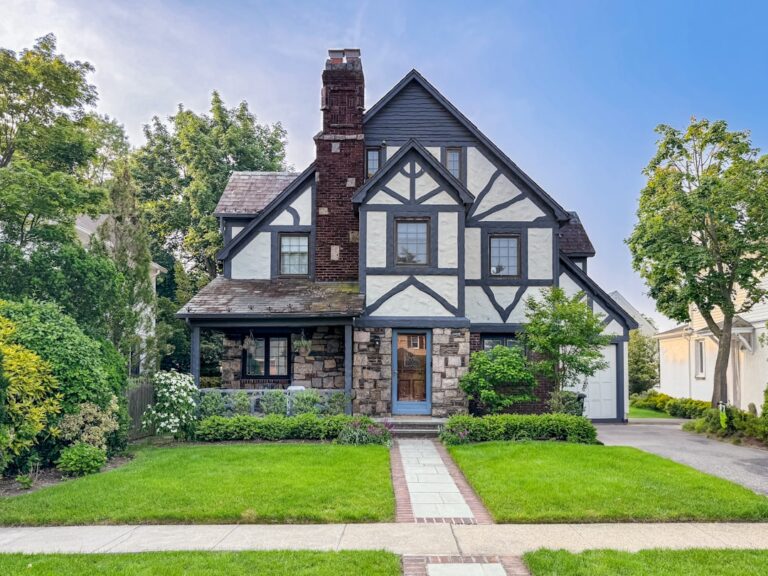
What Orange County heirs need to settle before a sale: how title was held, whether probate applies, the Prop 19 filing deadline and co-heir disputes.

Yes, someone can often keep living in a house during California probate — but it isn’t automatic, and it isn’t the occupant’s call.
© 2026 Cash Home Buyers CA | All Rights Reserved