
How Our Pico-Union Cash-Offer Process Works
- Foreclosure, inherited, tenants, damage — we buy it
- Zero fees, zero commissions, zero closing costs
- No obligation — turn the offer down and owe us nothing


Six Steps, Start to Finish
See exactly how our Pico-Union cash-offer process works, from first call to funded escrow.
Selling to a cash buyer in Pico-Union follows a specific sequence, and knowing what happens at each step is worth understanding before you sign anything. Here’s exactly how Cash Home Buyers CA moves from a first phone call to money in your account for a Pico-Union house or small apartment building.
Step One: Tell Us About the Property
We start with the basics: the address, the property type, its condition, and whether it’s vacant or occupied.
For a house, we ask whether it sits inside the Pico-Union Historic Preservation Overlay Zone, adopted in August 2004, or one of the two federally listed historic districts, South Bonnie Brae Tract or Alvarado Terrace. For an apartment building, we ask for the rent roll and how many units there are.
None of this requires a formal appraisal or a walkthrough with a real estate agent — a phone call, some photos, or a quick visit is usually enough for us to build a real number.
What We Look at for a House Versus a Building
A single-family house gets evaluated on its structure, its systems, and whether it falls inside the HPOZ or one of the two historic tracts.
Pico-Union developed as an affluent district starting in the 1910s, and its remaining houses often carry Craftsman or Victorian architecture from that era, sometimes with original plumbing and electrical that a conventional lender’s inspection would flag as a real obstacle rather than a cosmetic one.
A small apartment building gets evaluated differently: rent roll, unit count, RSO or AB 1482 status, and deferred capital work like roofing or plumbing that a landlord has been putting off. Both paths lead to the same written offer within 24 to 48 hours, just built from different inputs.
Step Two: We Build Your Offer
Because Redfin’s data for the period ending November 2025 recorded just 7 home sales in Pico-Union at a median of $670,000, we can’t lean on a deep set of recent comparable sales the way an appraiser in a busier neighborhood might.
Instead we price from the specific property: its condition, its permit history, its rent roll if it’s occupied, and its HPOZ or historic-district status if applicable. We respond with a written offer within 24 to 48 hours, with no obligation attached to reviewing it.
Step Three: You Decide, No Pressure
- Take your time. There’s no deadline attached to our offer beyond a reasonable window, and turning it down costs you nothing.
- Compare it to listing. For a fully restored house in one of the historic tracts, listing can sometimes net more, and we’ll tell you that directly rather than let you find out later.
- Ask questions before signing. We walk through exactly how the number was built, including transfer tax and any other deductions, before you commit to anything.
Why Pico-Union’s Density Shapes This Process
Pico-Union is the fourth-densest neighborhood in Los Angeles, with more than 40,000 residents packed into 1.67 square miles, and roughly 90.5 percent of the housing here is rental rather than owner-occupied.
That means the property we’re most often evaluating is a small apartment building, not a single-family house, which shapes how we build an offer: we’re pricing a rent roll and a building’s condition against comparable investment sales, not comparing your house to the house down the street the way a residential appraiser would.
It also means a much larger share of what we buy needs the tenant-focused steps in escrow — rent roll review, RSO or AB 1482 registration confirmation, and lease assumption — alongside the standard title and 9A steps every Pico-Union closing needs.
Step Four: We Open Escrow
Once you accept, we open escrow with a licensed Los Angeles County title and escrow company and order a preliminary title report right away.
We also order the Department of Building and Safety’s 9A Report of Residential Property Records ourselves, along with certifications for a seismic gas shutoff valve, low-flow fixtures, and smoke and carbon monoxide detectors, since it’s usually the pacing item on a Los Angeles closing regardless of buyer.
If the property is inside the HPOZ or one of the historic tracts, we check the permit and alteration history against city and National Register records during this stage so nothing surfaces late.
Step Five: Signing and Closing
Estates that require probate go through the Stanley Mosk Courthouse downtown; trust sales skip that step. An occupied building requires us to confirm Rent Stabilization Ordinance or AB 1482 registration status and to structure the closing so leases and security deposits transfer cleanly through escrow.
A house or condo with clear title typically closes in two to three weeks from acceptance; occupied buildings and estates usually run three to six weeks, on the date you pick, not a date a lender’s underwriting schedule imposes.
Step Six: Recording and Funding
Recording happens at the Los Angeles County Registrar-Recorder/County Clerk in Norwalk, and proceeds are wired the same day recording is confirmed.
Los Angeles City’s $4.50-per-$1,000 transfer tax combined with the county’s $1.10 per $1,000 comes to $5.60 per $1,000 of sale price, roughly $3,750 on a $670,000 sale, typically paid by the seller and deducted from proceeds through escrow along with any mortgage payoff or other liens.
We show you that full breakdown in writing before closing, not as a surprise at the closing table.
How This Compares to Working With a Wholesaler
Some companies that market themselves as cash buyers in Pico-Union don’t actually fund the purchase themselves; they lock in a contract at your signed price and then try to assign it to a different investor before their own contingency period runs out.
If that assignment falls through, so does your closing date, often after you’ve already stopped fielding other options.
We close with our own funds through a licensed title and escrow company, and we can show proof of funds and a record of closed Los Angeles County transactions on request, so you’re not taking that risk on faith.
What Makes This Different From a Retail Sale
There’s no financing contingency, no lender-ordered appraisal, no repair-credit negotiation after a buyer’s inspection, and no risk of the deal collapsing because a buyer’s loan gets denied in the final week.
Whether you’re facing foreclosure, handling an inherited property, or just want to sell fast, this same six-step process applies. The same steps apply anywhere in the city too — see our page on the cash-offer process across Los Angeles for the broader version.
Frequently Asked Questions
How long does the whole process take from first call to funding?
Two to three weeks for a house or condo with clear title, three to six weeks for an occupied building or an estate, start to finish.
Do I need to be present for closing?
No. We can complete the sale using a mobile notary and electronic signing if you’ve already moved or prefer not to be there in person.
Who orders the 9A report?
We do, at our own cost, as part of opening escrow.
What if my property has unpermitted units or additions?
We price the legal square footage plus a practical value for the extra space and handle the permit question after closing rather than requiring it resolved first.
Is there any cost to get started?
No. Requesting an offer, reviewing it, and walking away if it’s not a fit costs you nothing.
Do I need an agent to work with you?
No. There’s no commission either way, and the offer, the escrow terms, and the closing paperwork are the same whether or not an agent is involved.
To start the process on your Pico-Union property, call or text 424-435-2326.
Seller Guides
Helpful guides for homeowners in Pico Union
Plain-English answers to the questions sellers ask us most.
 Relocating
Fontana’s Warehouse Boom: What It Means If You’re Relocating
Fontana grew from a wartime steel town into an Inland Empire logistics hub. See what that shift means for home values and selling if you are relocating.
Read the guide → Selling for cash
The Transfer Tax Every Los Angeles Seller Pays, With or Without Measure ULA
Los Angeles charges its own $4.50-per-$1,000 tax on top of the county rate, before Measure ULA applies. See the exact combined math at closing.
Read the guide → Rentals & tenants
How Much Must Long Beach Landlords Pay Tenants Under the Relocation Ordinance?
Long Beach landlords: see the LBMC 8.99 relocation payments, notice periods, and city filing step required before a no-fault tenant termination.
Read the guide → Selling for cash
What Inglewood’s Housing Protection Ordinance Requires Before You Sell a Rental
Inglewood's Housing Protection Ordinance covers more rentals than expected, with rent caps, just-cause rules, and relocation tiers that transfer at sale.
Read the guide → Selling for cash
The Five-Year Countdown Before Los Angeles County Auctions a Tax-Defaulted Home
LA County auctions tax-defaulted homes after five years unpaid. See the redemption deadline, installment options, and how to claim excess proceeds.
Read the guide →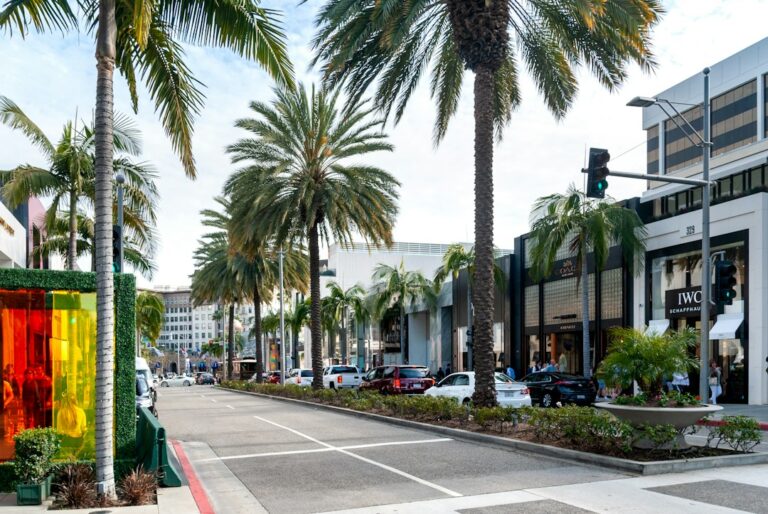 Selling for cash
What Beverly Hills’ Rent Stabilization Ordinance Requires Before You Sell
Beverly Hills runs its own BHMC Chapter 5 and 6 rent rules: caps, BHRent registration, just-cause grounds and relocation fees sellers must clear first.
Read the guide →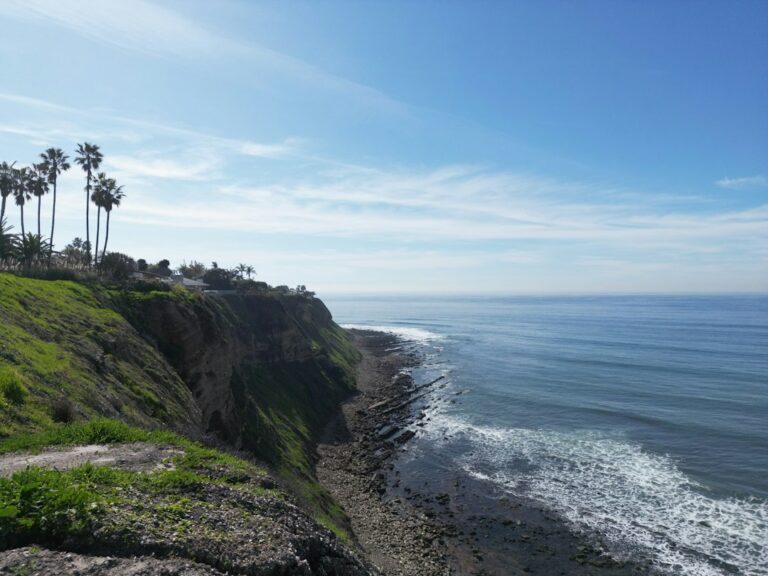 Selling as-is
What Rancho Palos Verdes’ Landslide Zones Mean for a Natural Hazard Disclosure
Rancho Palos Verdes sellers must check a landslide-zone box on the state Natural Hazard Disclosure Statement, separate from the earthquake fault question.
Read the guide → Selling for cash
West Hollywood’s Rent Stabilization Ordinance: What a Seller With Tenants Must Clear First
West Hollywood's rent stabilization law sets strict just-cause rules and relocation fees before you can sell a tenant-occupied rental unit here.
Read the guide → Inherited homes & probate
Partition Actions Between Heirs: How California Law Forces a House Sale
California heirs can force a house sale through a partition action under CCP 872-874, with court referees, confirmation hearings, and buyout rights.
Read the guide →