
Sell Your House As-Is in Pico-Union
- Foreclosure, inherited, tenants, damage — we buy it
- Zero fees, zero commissions, zero closing costs
- No obligation — turn the offer down and owe us nothing


Sell in Current Condition, No Repairs
From original systems to HPOZ-restricted exteriors, we buy Pico-Union property exactly as it stands.
“As-is” means something specific in real estate, and in Pico-Union it matters more than in most neighborhoods, because so much of the housing stock here predates 1960 and a meaningful share of it sits inside a Historic Preservation Overlay Zone that adds its own layer of rules on top of ordinary repairs.
Cash Home Buyers CA buys houses and small apartment buildings throughout Pico-Union in their current condition, whatever that condition is.
What “As-Is” Actually Changes
Selling as-is means you’re not obligated to make repairs before closing and you’re not negotiating a repair credit after a buyer’s inspection. It does not mean you can skip legally required disclosures.
California’s Transfer Disclosure Statement still applies, and in Los Angeles the Department of Building and Safety’s Report of Residential Property Records, known as the 9A report, still has to be delivered before close along with certifications for a seismic gas shutoff valve, low-flow plumbing fixtures, and smoke and carbon monoxide detectors.
An as-is sale changes who fixes problems and when, not whether buyers get told about them.
Why As-Is Selling Fits So Much of Pico-Union’s Stock
Pico-Union developed as an affluent district starting in the 1910s, and the Craftsman and Victorian houses of the South Bonnie Brae Tract and Alvarado Terrace — both federally listed historic districts — sit alongside dense apartment buildings built through the 1920s to 1960s, many of them originally built for wealthier tenants and later subdivided.
A house or building from that era typically carries original plumbing, electrical and roofing systems that a conventional lender’s inspection process treats as a real obstacle, not a cosmetic issue.
Add the neighborhood’s Historic Preservation Overlay Zone, adopted in August 2004, and a house needing exterior work may need a Certificate of Appropriateness from the city before a retail buyer’s contractor could even start.
The HPOZ Wrinkle for Historic Tract Houses
- Exterior work needs city sign-off. A Certificate of Appropriateness is required for changes visible from the street inside the HPOZ, which can add weeks a retail buyer’s financing timeline doesn’t have room for.
- Interior work is generally unrestricted. HPOZ review focuses on what the street sees, so interior repairs a retail buyer might request don’t carry the same city process.
- Two historic tracts, two different housing types. South Bonnie Brae Tract and Alvarado Terrace both carry the designation, and a house’s exact address determines whether it’s covered.
- Sale itself needs no city approval. The HPOZ affects what a future owner does to the house, not whether or how you can sell it today.
What As-Is Costs Look Like on the Numbers
Redfin’s data for the period ending November 2025 recorded just 7 home sales in Pico-Union, at a median price of $670,000, with homes taking well over 100 days to sell on average.
On a sale at that median, Los Angeles City’s $4.50-per-$1,000 transfer tax combined with the county’s $1.10 per $1,000 comes to $5.60 per $1,000, or roughly $3,750, customarily paid by the seller regardless of condition. A retail agent commission of 5 to 6 percent on the same sale runs $33,500 to $40,200.
Neither of those costs changes based on whether the house is move-in ready or needs a new roof, which is part of why the gap between a repaired retail sale and an as-is cash sale narrows once every real cost is on the table.
What a Retail Buyer’s Lender Actually Requires
A conventional or FHA loan requires the property to meet the lender’s minimum property standards, which means exposed wiring, active leaks, missing handrails, and certain structural issues typically have to be fixed before that particular loan can fund — not simply disclosed.
That’s the real mechanism behind why a house with real deferred maintenance struggles to sell to a financed buyer even when the seller and buyer both want the deal to close: it’s not that the buyer changes their mind, it’s that their lender won’t release funds until specific items are corrected, inspected again, and signed off on, which can add weeks to a timeline that was already running close to 45 to 60 days.
What We Buy As-Is in Pico-Union
We buy houses with deferred maintenance that would fail a conventional lender’s inspection, apartment buildings with below-market rent rolls that need capital work a landlord would rather not fund, and estates that have sat untouched for years.
We also buy inside the HPOZ and the historic tracts specifically, checking the property against city and National Register records during our review so nothing about exterior restrictions surfaces for the first time in escrow.
None of that changes our offer process: we still respond with a written number within 24 to 48 hours and close in two to three weeks for a house or condo with clear title.
Related Pico-Union Situations
An as-is sale often overlaps with other situations we cover separately: a house that’s inherited and has sat vacant, a building with tenants in place whose leases you’d rather not disturb, or a property you simply want to sell fast without a repair list attached.
The same as-is standard applies whether the property sits in Pico-Union or elsewhere — see our page on selling as-is across Los Angeles for the citywide version of these rules.
Documents We Handle During an As-Is Escrow
Beyond the disclosure statement and the 9A report, an as-is closing in Pico-Union still runs through a preliminary title report, and for HPOZ properties we pull the alteration and permit history against city and National Register records so it’s confirmed before we’re deep into escrow rather than after.
Recording happens at the Los Angeles County Registrar-Recorder/County Clerk in Norwalk, with proceeds wired the same day recording is confirmed.
Listing As-Is Versus Selling to Us
An agent can list a Pico-Union house as-is too, and for a fully restored home in one of the historic tracts, that route can net more from a buyer specifically drawn to that street.
For a house or building that needs real work, an as-is retail listing still tends to attract mostly investors making cash or hard-money offers anyway, at numbers not far from what we’d offer directly, minus the commission, the marketing time, and the risk that a financed buyer’s lender balks at the condition mid-escrow regardless of how the listing was worded.
Our Process for an As-Is Property
We start the same way regardless of condition: a walkthrough or a set of photos, a written offer within 24 to 48 hours, and an escrow opened with a licensed Los Angeles County title and escrow company once you accept.
We order the 9A report and check HPOZ status ourselves during escrow rather than asking you to sort either one out beforehand.
If the property is a house or condo with clear title, that process typically closes in two to three weeks; if it’s an occupied building or part of an estate, plan on three to six weeks, on a date you choose.
Frequently Asked Questions
Do I still have to disclose problems if I sell as-is?
Yes. California's disclosure requirements and the city's 9A report still apply. As-is changes who pays for repairs, not what you have to tell a buyer.
Does the HPOZ stop me from selling my house as-is?
No. The Historic Preservation Overlay Zone governs future exterior alterations, not the sale itself. We check HPOZ status during our review and it doesn't slow down our offer.
What condition issues do you actually buy through?
Original systems from the 1920s through 1960s, deferred maintenance, unpermitted additions, fire or water damage, and buildings that need capital repairs a landlord doesn't want to fund.
Will I get less money selling as-is than after fixing everything up?
Usually, yes, compared to a fully repaired retail sale. What you save is the repair cost itself, the months of carrying the property during the work, and the risk that a buyer's inspection reopens the price after you've already spent the money.
Do you buy houses inside the South Bonnie Brae Tract or Alvarado Terrace?
Yes, including houses that need HPOZ-sensitive exterior work. We factor the Certificate of Appropriateness process into our offer rather than requiring it be resolved before we buy.
Do unpermitted units affect an as-is sale?
Not for us. We price the legal units plus a practical value for the extra space and handle the permit question after closing rather than requiring it resolved before we buy.
To get a written cash offer on your Pico-Union property in its current condition, call or text 424-435-2326.
Seller Guides
Helpful guides for homeowners in Pico Union
Plain-English answers to the questions sellers ask us most.
 Relocating
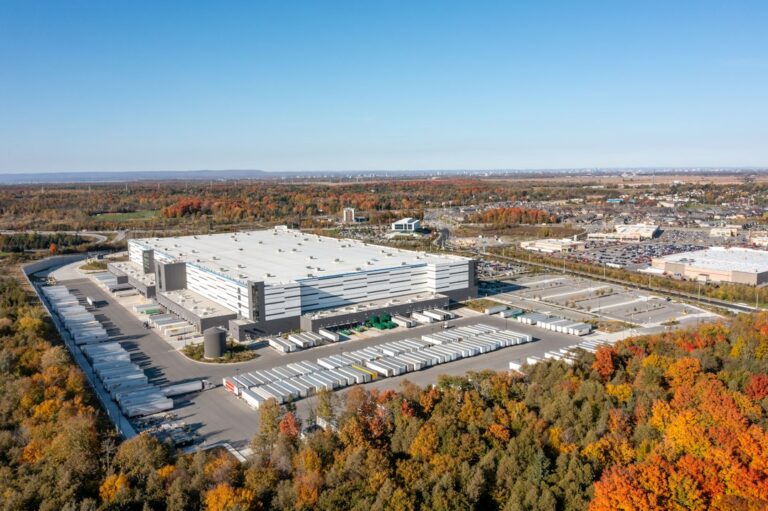
Fontana’s Warehouse Boom: What It Means If You’re Relocating
Fontana grew from a wartime steel town into an Inland Empire logistics hub. See what that shift means for home values and selling if you are relocating.
Read the guide →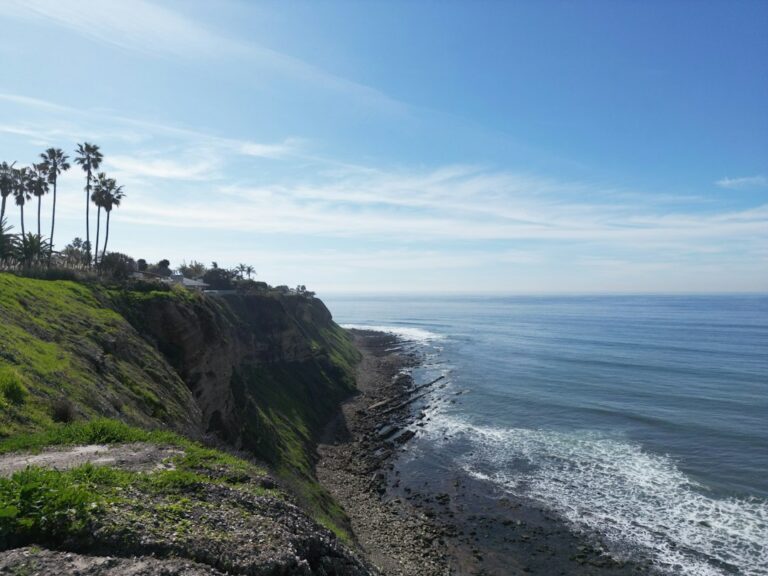 Selling as-is
What Rancho Palos Verdes’ Landslide Zones Mean for a Natural Hazard Disclosure
Rancho Palos Verdes sellers must check a landslide-zone box on the state Natural Hazard Disclosure Statement, separate from the earthquake fault question.
Read the guide →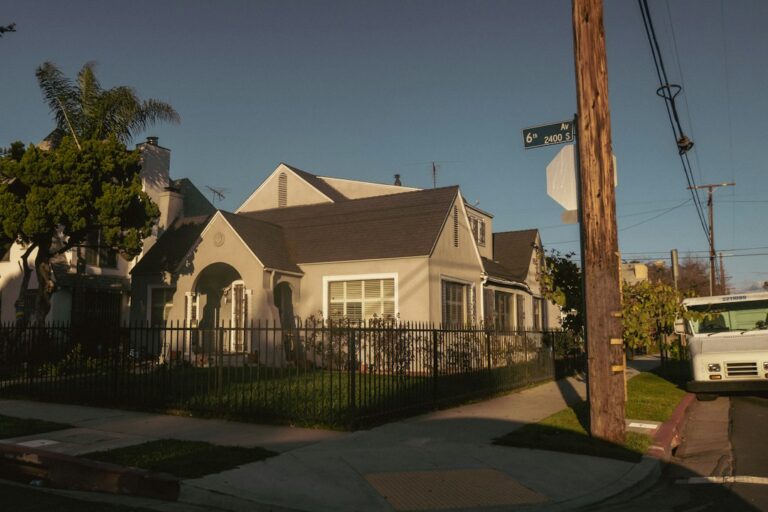 Selling as-is
Highland Park HPOZ Disclosure Rules Explained
Highland Park's historic overlay (HPOZ) governs renovations, but California's TDS and NHD disclosure rules still apply in full, even on an as-is sale.
Read the guide →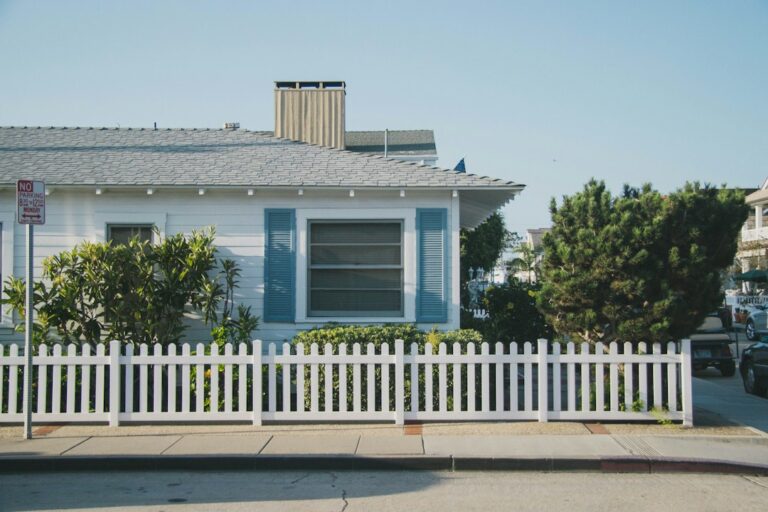 Selling as-is
As-Is Disclosure Rules for an Older Pasadena, CA Home
Selling as-is in Pasadena doesn't skip California's disclosure law. See what Civil Code requires for the city's century-old Craftsman homes.
Read the guide → Selling as-is
The Anaverde HOA Disclosure Packet an As-Is Sale Still Requires
The Anaverde HOA disclosure packet under Civil Code 4525, plus the TDS and NHD duties an as-is sale in Anaverde, CA never removes, and why it adds time.
Read the guide → Selling as-is
Beverly Hills, CA As-Is Sales: What You Still Disclose
Selling as-is in Beverly Hills, CA doesn't waive disclosure law. See what sellers must still tell buyers under California's TDS and NHD rules.
Read the guide → Selling as-is
Why “As-Is” Doesn’t Simplify Disclosure for a Winnetka, CA Seller
Civil Code 1102 still requires full disclosure on an as-is Winnetka sale -- here's what the TDS, NHD, and lead-paint rules actually require.
Read the guide → Selling as-is
What California’s As-Is Disclosure Law Still Requires in Gardena
Selling as-is in Gardena does not skip California disclosure law. See what sellers must still disclose, plus local zoning and jurisdiction quirks.
Read the guide → Selling as-is
Why Culver City’s As-Is Disclosure Rules Aren’t Los Angeles’s
As-is doesn't skip California disclosure law. Learn why Culver City permit and code records come from its own city hall, not LA, before you sell as-is.
Read the guide →