
Selling a House During Divorce in Pasadena
- Foreclosure, inherited, tenants, damage — we buy it
- Zero fees, zero commissions, zero closing costs
- No obligation — turn the offer down and owe us nothing


A Fair Split Doesn’t Require a Stalled Listing
Splitting a Pasadena home during a divorce rarely turns on what the house is worth. It turns on whether both spouses can agree fast enough to actually sell it.
California’s Default Rule: Community Property
Under California Family Code, property acquired during the marriage is presumed community property, split 50/50 regardless of whose name is on title or who made more of the mortgage payments. A Pasadena home purchased during the marriage is treated as jointly owned even if only one spouse’s income originally qualified for the loan, unless a prenuptial agreement or documented separate-property tracing says otherwise.
Tracing Separate-Property Contributions
California Family Code Section 2640 lets a spouse reclaim documented separate-property contributions, such as a down payment made from savings held before the marriage, off the top before the remaining equity is divided as community property.
Proving that requires a real paper trail: old bank statements, escrow documents, and closing disclosures from years earlier that not everyone thought to keep. Without that documentation, the contribution is difficult to recover no matter how clearly it’s remembered.
Buyout vs. Sale: The Two Real Options
Every divorcing couple with a shared house eventually lands on one of two paths: one spouse buys out the other’s half, usually by refinancing into a new loan sized to their income alone, or the house is sold outright and the proceeds are divided per the settlement.
A buyout sounds cleaner on paper, but it depends on the remaining spouse qualifying for a new mortgage, alone, at current rates, on a Pasadena property that may have appreciated substantially since it was purchased — a bar a single income doesn’t always clear.
When Appraisals Become the Fight
Pasadena’s Craftsman-era neighborhoods, from Bungalow Heaven to the blocks around Washington Square, carry a wide range of per-square-foot values driven as much by original character and historic-preservation status as by square footage.
That means two appraisers can land on genuinely different numbers for the same house, and a divorcing couple can spend months and real money arguing over which figure is correct.
A cash offer sidesteps that fight almost entirely: the number is the number, both spouses see it at the same time, and the equity split happens against an agreed figure instead of two competing opinions.
Why a Cash Sale Fits a Divorce Timeline
Marital settlement agreements often specify a sale deadline, and a traditional listing, complete with showings scheduled around two households’ custody exchanges and a buyer’s financing contingency, can blow past it. A cash sale gives both spouses a fixed closing date and one agreed number to divide, without either party needing to keep the house presentable for showings during a period when neither one wants strangers walking through it.
Frequently Asked Questions
Is the house automatically split 50/50 in a California divorce?
Property acquired during the marriage is presumed community property and divided equally, but documented separate-property contributions, like a pre-marriage down payment, can be reimbursed first under Family Code Section 2640.
Can I sell the house before the divorce is finalized?
Generally both spouses need to agree, or the court needs to authorize it, since community real estate can’t be sold unilaterally by one spouse while the case is pending.
What if we can’t agree on the home’s value?
This is one of the most common divorce sale delays. A written cash offer gives both spouses one concrete number to evaluate together instead of two competing appraisals to argue over.
Does the mortgage get paid off before we split the proceeds?
Yes. Any outstanding mortgage balance and recorded liens are paid through escrow before the remaining equity is divided according to your settlement agreement.
If a Pasadena home is the last thing standing between you and a finalized divorce, a written cash offer can give both of you a number to agree on and a date to close by. Reach out today.
Seller Guides
Helpful guides for homeowners in Pasadena
Plain-English answers to the questions sellers ask us most.
 Inherited homes & probate
What Probate Actually Looks Like for an Inherited House in Fresno County
Probate for an inherited Fresno County house runs through one courthouse, but the timeline depends on how title was held. What to expect, step by step.
Read the guide → Inherited homes & probate
Partition Actions Between Heirs: How California Law Forces a House Sale
California heirs can force a house sale through a partition action under CCP 872-874, with court referees, confirmation hearings, and buyout rights.
Read the guide →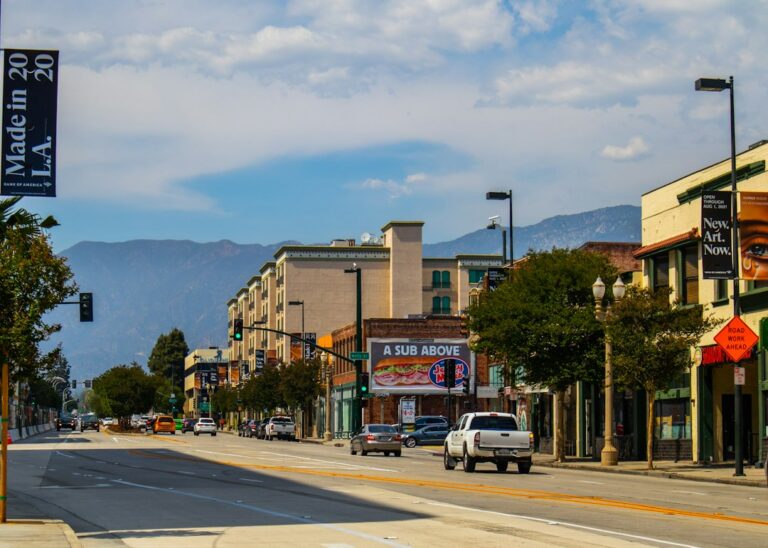 Rentals & tenants
Pasadena Tenant Protection Ordinance: Notice & Pay Rules
Pasadena's tenant protection ordinance sets notice periods, split relocation pay, and rent caps for owners selling a tenant-occupied rental.
Read the guide → Divorce
Divorcing in North Long Beach? Who Gets the House, and What Taxes Follow
Divorcing in North Long Beach, CA? Learn how buyouts, Duke orders, Watts/Epstein credits, and capital gains tax rules affect splitting your house.
Read the guide → Divorce
Why a West Covina Divorce Sale Doesn’t Always Trigger a Tax Reassessment
A West Covina divorce buyout usually keeps the home's Prop 13 tax basis, but selling to a cash buyer does not. See how that affects your decision.
Read the guide → Selling as-is
As-Is Disclosure Rules for an Older Pasadena, CA Home
Selling as-is in Pasadena doesn't skip California's disclosure law. See what Civil Code requires for the city's century-old Craftsman homes.
Read the guide → Divorce
Who Gets Credit for the Down Payment on an Agua Dulce Ranch in a Divorce
Learn how California Family Code Section 2640 reimburses a separate-property down payment on an Agua Dulce horse property when a marriage ends in divorce.
Read the guide → Divorce
Dividing a House in an Avalon, CA Catalina Divorce
Dividing an Avalon, CA home in divorce? See how California community property law, rental license limits, and island appraisals affect your split.
Read the guide → Divorce
Separate Property Reimbursement in a Monrovia Divorce
How Family Code 2640 and the Moore/Marsden formula decide what a spouse gets back before a Monrovia, CA home sells or one spouse buys the other out.
Read the guide →