Sell a House As-Is in San Francisco City
- Foreclosure, inherited, tenants, damage — we buy it
- Zero fees, zero commissions, zero closing costs
- No obligation — turn the offer down and owe us nothing


Skip the Repairs, Not the Disclosures
As-is selling changes who fixes the property’s problems. It doesn’t change what California law requires you to disclose.
“Selling as-is” is one of the most misunderstood phrases in real estate. It doesn’t mean you can skip California’s disclosure law, and it doesn’t mean every buyer will accept a property’s condition without pushing back. Cash Home Buyers CA buys houses as-is throughout San Francisco, so it’s worth understanding exactly what that does and doesn’t change.
What “As-Is” Actually Means
Selling as-is means the seller won’t make repairs or offer credits for the property’s condition before closing. It does not exempt the seller from California’s Transfer Disclosure Statement (TDS) requirements. You’re still legally required to disclose known material facts about the property — a leaking roof, foundation issues, unpermitted work, past water intrusion — whether you’re selling as-is or not. Selling as-is changes who fixes the problem, not whether you have to tell the buyer about it.
Why As-Is Sales Are Common in San Francisco
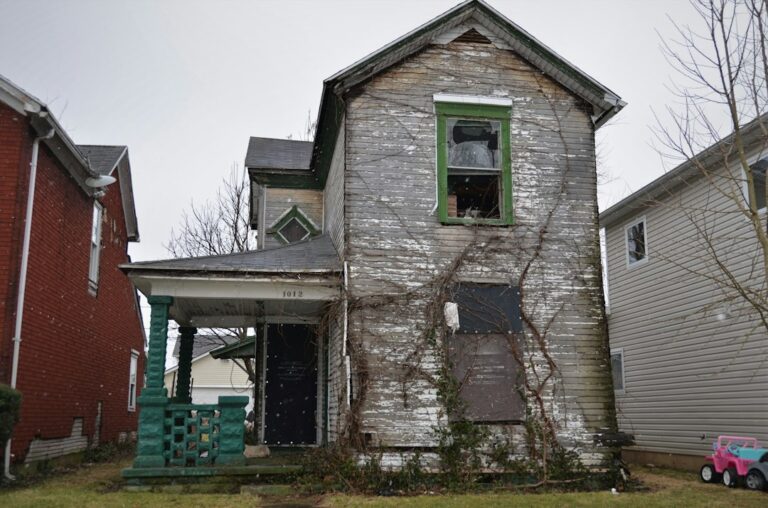
San Francisco’s housing stock includes a large share of homes built well before 1950, from Edwardians in the Richmond to classic Sunset-district houses. Original systems, foundation settling, and unpermitted additions or in-law units are common, and bringing a house fully up to current code before selling can be expensive and slow given the city’s permitting timelines. Selling as-is lets a homeowner skip that process entirely.
What a Financed Buyer Requires vs. What We Require
A retail buyer using a mortgage is really negotiating on behalf of two parties: themselves and their lender. Most lenders require a property to meet minimum condition standards, and an appraiser or underwriter can flag safety issues, unpermitted square footage, or major deferred maintenance as conditions that must be resolved before the loan funds. That’s often where an as-is listing to a traditional buyer breaks down — the buyer wants it as-is, but their lender doesn’t. Because we don’t finance the purchase, there’s no lender-driven condition requirement standing between an accepted offer and closing.
What You Still Have to Disclose
- Known material defects — anything you’re aware of that affects the property’s value or desirability.
- Unpermitted work you know about, including conversions, additions, or in-law units.
- Natural hazard disclosures, including flood, fire, and earthquake fault zone information required statewide.
- Any pending Notice of Violation from the city’s Department of Building Inspection, if one exists.
We still review these disclosures on every purchase — as-is doesn’t mean disclosure-free, it means we factor known issues into the price rather than asking you to fix them.
Frequently Asked Questions
Do I still have to fill out a disclosure statement if I sell as-is?
Yes. California’s TDS requirements apply regardless of how the property is marketed.
Will you buy a house with unpermitted work?
Yes, this is common in San Francisco and we factor it into our offer rather than requiring it be resolved first.
Do I need to clean the house before you see it?
No. We evaluate the property in its current condition, however it currently sits.
What if the house has fire, water, or foundation damage?
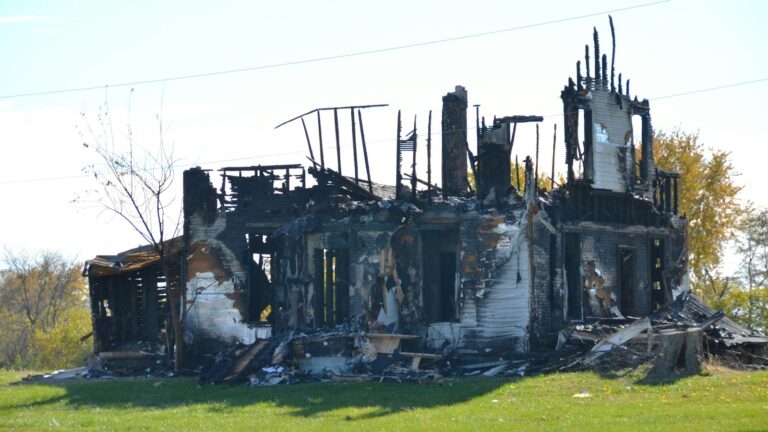
We regularly buy properties with significant damage. Tell us about it up front and we’ll factor it into the offer.
Get a free, no-obligation cash offer from Cash Home Buyers CA today.
Selling a house in San Francisco: what to know
A few local details that shape timing and net proceeds when you sell in San Francisco.
County & probate court
San Francisco is in San Francisco County. Probate and trust matters for San Francisco properties are heard by the San Francisco County Superior Court in San Francisco, and deeds are recorded with the San Francisco County Recorder.
Transfer tax
San Francisco County charges a documentary transfer tax of $1.10 per $1,000 of the sale price. San Francisco adds a tiered city transfer tax from 0.5% up to 6% depending on the sale price. When you sell to us, we pay the standard closing costs.
Tenant & rent rules
Rental homes in San Francisco can fall under the San Francisco Rent Ordinance, which limits rent increases and requires just cause for most evictions, in addition to the statewide Tenant Protection Act (AB 1482). We buy tenant-occupied homes and take over the leases at closing.
Nearby cities we buy in
Seller Guides
Helpful guides for homeowners in San Francisco
Plain-English answers to the questions sellers ask us most.
 Selling as-is
Selling a House With Code Violations in California
You can sell a California house with code violations without fixing them first, but disclosure is required and unpaid abatement costs can be a lien.
Read the guide →- Selling as-is
California’s Natural Hazard Disclosure Statement: What Sellers Must Provide
California sellers must disclose six hazard zones on a Natural Hazard Disclosure Statement. As-is and cash sales are not exempt from this requirement.
Read the guide → - Selling as-is
Selling a House on the California FAIR Plan: What Changes at Escrow
A bare California FAIR Plan policy often won't satisfy a buyer's mortgage lender. Here's what changes at escrow and how a DIC policy fills the gap.
Read the guide → - Selling as-is
Do You Still Have to Disclose Selling As-Is in CA?
Selling as-is in California doesn't waive your disclosure duty. See exactly which sales are TDS-exempt and which still require full disclosure.
Read the guide → - Selling as-is
Adverse Possession in California: Why These Claims Are So Rare
California adverse possession requires 5 years of possession plus paying the property taxes the whole time. Here's why that requirement kills most claims.
Read the guide → - Selling as-is
What a Quitclaim Deed Does in California — and the Four Things It Does Not
A California quitclaim deed carries no warranties, does not remove you from the mortgage and does not clear liens. Transfer tax, PCOR and reassessment explained.
Read the guide → - Selling as-is
What Is a Quiet Title Action in California, and Do You Need One to Sell?
What a California quiet title action requires under CCP 760.010-765.060, why there is no default judgment, and the cheaper ways to clear a cloud on title.
Read the guide → - Selling as-is
Selling a House As-Is in California: The Objections Sellers Actually Raise
As-is doesn't mean no disclosure, and it doesn't mean automatic lowball. Here's what California law actually requires, and how to weigh a…
Read the guide → - Selling as-is
How to Sell a Fire-Damaged House in California
You can sell as-is, but California gives you up to 36 months to collect replacement cost after a declared disaster. Selling early can forfeit it.
Read the guide →