
Sell My House Fast in Crenshaw
- Foreclosure, inherited, tenants, damage — we buy it
- Zero fees, zero commissions, zero closing costs
- No obligation — turn the offer down and owe us nothing


Every Day on the Market Has a Cost
See how a traditional Crenshaw listing timeline compares to a 7-14 day cash close, and why speed matters most when you have a deadline of your own.
If you need to sell a house fast in Crenshaw, the real obstacle usually is not your asking price — it is the chain of steps a financed buyer has to clear before the sale actually funds. Cash Home Buyers CA buys houses, duplexes and small apartment buildings throughout Crenshaw directly, which removes most of that chain entirely.
How Long a Traditional Crenshaw Sale Actually Takes
Redfin’s figures for the three months ending August 2026 put Crenshaw’s median sale price at roughly $1,344,351, up 34.4 percent year over year, on only 17 recorded sales, down 8.3 percent from a year earlier. The median time on market fell to 75 days from 79.
A jump that size on so few sales usually signals a handful of higher-priced trades near the K Line stations rather than a uniform re-pricing of every Crenshaw block, and it does not shorten the underwriting a financed buyer still has to clear.
Once an offer is accepted, a standard California purchase agreement gives the buyer roughly a 17-day contingency period for inspections, disclosures and loan approval, and full underwriting typically needs another two to four weeks after that.
Add it up and a “fast” traditional sale in Crenshaw commonly runs 45 to 60 days from accepted offer to funded escrow, on top of the 75 median days it already took to get an offer in the first place.
Where a Financed Sale Actually Loses Time in Crenshaw
- Values swing block to block. A remodeled bungalow near the K Line’s Expo/Crenshaw or Martin Luther King Jr. stations can appraise very differently from a similar-looking house a few blocks toward the older residential streets, and an appraiser working from the wrong comps can come in under contract price and force a renegotiation.
- The 9A report. Before a Los Angeles closing can proceed, the seller has to supply the Report of Residential Property Records from the Department of Building and Safety and certify a seismic gas shutoff valve, water-conserving fixtures, and smoke and carbon monoxide detectors. Lenders will not fund until it is in hand, and pulling it can add days if the property has open permits.
- Inspection renegotiation on older housing stock. Much of Crenshaw’s housing was built in the early-to-mid 20th century, and a general inspection on a house of that age, especially one that took on damage in the 1994 Northridge earthquake and was only patched rather than fully repaired, almost always turns something up. The repair-credit negotiation that follows can add one to two weeks even when both sides want the deal to close.
- Financing falling through late. When a buyer’s loan is denied days before closing, the seller is back to square one: relisting, rescheduling showings, and restarting the whole clock.
What a Cash Sale’s Timeline Looks Like
We typically respond with a written offer within 24 to 48 hours of hearing about your Crenshaw property. Because there is no lender involved, there is no loan contingency and no lender-ordered appraisal to wait on or negotiate around.
We order the 9A report ourselves rather than waiting on you to produce it, and once you accept, we open escrow with a Los Angeles County title and escrow company.
A house with clear title typically records in two to three weeks once the report comes back; occupied rental buildings and properties moving through an estate run closer to four to six weeks. Either way, you set the closing date.
Why Crenshaw’s Housing Stock Sells Slowly to a Lender
Crenshaw Boulevard takes its name from developer George L. Crenshaw, who platted the street in 1904 on what was then an all-white subdivision covered by racially restrictive housing covenants. After the U.S. Supreme Court struck those covenants down in the 1948 case Shelley v.
Kraemer, a Japanese American community grew in the neighborhood, peaking at roughly 8,000 residents in the years after World War II before it began to decline.
Beginning in the mid-1960s, African American families moved into Crenshaw in large numbers, and the neighborhood became majority Black by the early 1970s, developing into one of the largest African-American communities in the western United States.
The Santa Monica Freeway, completed in 1964, cut a hard physical line between Crenshaw and the neighborhoods to the north, and the area absorbed real damage from the 1992 civil unrest and the 1994 Northridge earthquake before a redevelopment-driven rebound in the late 2000s.
That history is written into the housing stock a lender has to evaluate today. Much of Crenshaw, ZIP code 90008, is made up of single-family bungalows from the early-to-mid 20th century alongside small apartment buildings and duplexes, many of which have been held as long-term rentals for decades.
Older wiring, plumbing, and freeway-adjacent construction from before modern seismic codes are common enough that an FHA or conventional appraiser flags them regularly, which is exactly the kind of finding that stalls a financed sale but does not affect a cash purchase.
Common Reasons Crenshaw Homeowners Need to Move Quickly
Speed matters for plenty of ordinary reasons that have nothing to do with a crisis: a new job pulling you toward another part of the county, wanting to avoid carrying two mortgage payments while a new purchase closes, or simply not wanting to keep paying insurance and upkeep on a house sitting empty near Crenshaw Boulevard.
It also matters for reasons tied to the neighborhood’s older housing stock and its long history as a center of Black homeownership in Los Angeles: a landlord managing a duplex or small apartment building with tenants who have been in place for years, an heir who inherited a bungalow that was never modernized, or an owner facing a foreclosure timeline that will not wait for a financed buyer’s underwriting.
If your situation is one of those, we have dedicated guides that go deeper: selling with tenants in place, selling an inherited house, and stopping a foreclosure in Crenshaw each come with their own deadlines worth understanding on their own.
The same underwriting, appraisal and escrow rules described here apply to the rest of the city too — see our page on the rules across the rest of Los Angeles if you are comparing a Crenshaw sale to a property elsewhere.
The Honest Trade-Off
A cash offer is typically below what a fully-repaired home might fetch after a long, well-marketed retail listing, and Crenshaw’s roughly $1.34 million August 2026 median from Redfin is a real number for a renovated house near the light rail.
In exchange, there is no 5 to 6 percent agent commission, no repair bills on a house with legacy construction from before modern seismic codes, no months of mortgage and utility payments while you wait, and no risk of the deal collapsing three weeks before closing.
For a seller in Crenshaw on a real deadline, that certainty is usually worth more than the spread, especially on a rental house or a property that will not pass an FHA or conventional appraisal as it sits.
Listing Near the K Line Versus Selling to Us
A remodeled single-family house near one of the K Line’s Crenshaw Boulevard stations, at or above the neighborhood’s roughly $1.34 million August 2026 median, will often net more listed with a financed buyer once you weigh our offer against a 5 to 6 percent commission, the roughly $5.60 per $1,000 combined city and county transfer tax on that price point, and the weeks a lender’s underwriting adds.
We will tell you plainly when listing is the stronger path for your specific house.
Our offer competes hardest on the properties that make up a large share of Crenshaw’s older housing stock: rental houses and small buildings with tenants who have been in place for years, homes with deferred maintenance that will not clear an appraisal, and bungalows that took on damage in the 1994 earthquake and were only patched rather than properly repaired.
Subtract commission, transfer tax and repair costs from a listing price on one of those, and our cash number is usually close, on a date you choose rather than one a lender sets for you.
Sell My House Fast in Crenshaw: Cash vs. Listing at a Glance
| Factor | Cash sale | Traditional listing |
|---|---|---|
| Timeline | Written offer in 24 to 48 hours; close on your date once the 9A report is back | Median 75 days to an offer, then a 30 to 45 day financed escrow |
| Repairs | None | Inspection credits or lender-required repairs |
| Showings | One walkthrough | Staging and repeated showings |
| Commissions | None to you | Often around 5 to 6 percent combined |
| Certainty of closing | No loan or appraisal contingency | Appraisal or loan denial can restart the clock |
To sell your house fast in Crenshaw with us: call or text 424-435-2326, walk us through the property once, and review a written offer that comes with proof of funds.
We can buy directly or bring in a vetted cash buyer from our network; either way you get one written offer, one escrow and no fees or commissions to you. If a default notice is driving the deadline, see stopping foreclosure in Crenshaw.
Frequently Asked Questions
How can I sell my house fast in Crenshaw if it needs a new 9A report?
The 9A report is ordered from the city at the start of escrow, and a cash sale can record soon after it comes back. We order it on the properties we buy, so you do not have to chase it.
Can I sell my Crenshaw house fast with tenants living there?
Yes. A cash sale can close with tenants in place; the leases and deposits transfer to the new owner at closing, so there is no need to wait for a vacancy.
What documents speed up a fast Crenshaw sale?
A recent mortgage statement, any leases, trust or probate papers if the house is in an estate, and a list of known repairs or unpermitted work. Having these ready lets escrow order payoffs on day one.
How fast can you really close in Crenshaw?
Most closings run two to three weeks from an accepted offer once the 9A report is in hand, though we can move faster or slower depending on what you need.
Do I need to clean or repair anything first?
No. We buy the property in its current condition, whether it is a bungalow near the residential streets or a unit in a small apartment building along Crenshaw Boulevard.
What if I actually need more time, not less?
That is fine. We can set a closing date further out, or arrange a short rent-back so you can stay after closing while you finish your move.
Is a cash sale always faster than listing?
Not always. A well-priced Crenshaw home near the K Line can attract an offer quickly. The time savings come from skipping the 30 to 45 day financed escrow that follows, plus removing the risk of that escrow falling apart.
Are there any fees for closing quickly?
No. There is no commission and no hidden fee for a fast timeline.
Get a free, no-obligation cash offer on your Crenshaw property from Cash Home Buyers CA today.
Seller Guides
Helpful guides for homeowners in Crenshaw
Plain-English answers to the questions sellers ask us most.
 Relocating
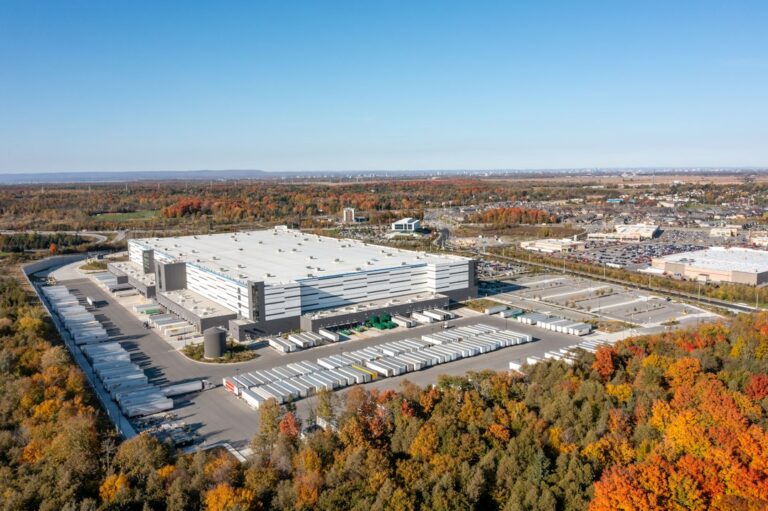
Fontana’s Warehouse Boom: What It Means If You’re Relocating
Fontana grew from a wartime steel town into an Inland Empire logistics hub. See what that shift means for home values and selling if you are relocating.
Read the guide → Selling for cash
The Transfer Tax Every Los Angeles Seller Pays, With or Without Measure ULA
Los Angeles charges its own $4.50-per-$1,000 tax on top of the county rate, before Measure ULA applies. See the exact combined math at closing.
Read the guide → Rentals & tenants
How Much Must Long Beach Landlords Pay Tenants Under the Relocation Ordinance?
Long Beach landlords: see the LBMC 8.99 relocation payments, notice periods, and city filing step required before a no-fault tenant termination.
Read the guide → Selling for cash
What Inglewood’s Housing Protection Ordinance Requires Before You Sell a Rental
Inglewood's Housing Protection Ordinance covers more rentals than expected, with rent caps, just-cause rules, and relocation tiers that transfer at sale.
Read the guide → Selling for cash
The Five-Year Countdown Before Los Angeles County Auctions a Tax-Defaulted Home
LA County auctions tax-defaulted homes after five years unpaid. See the redemption deadline, installment options, and how to claim excess proceeds.
Read the guide →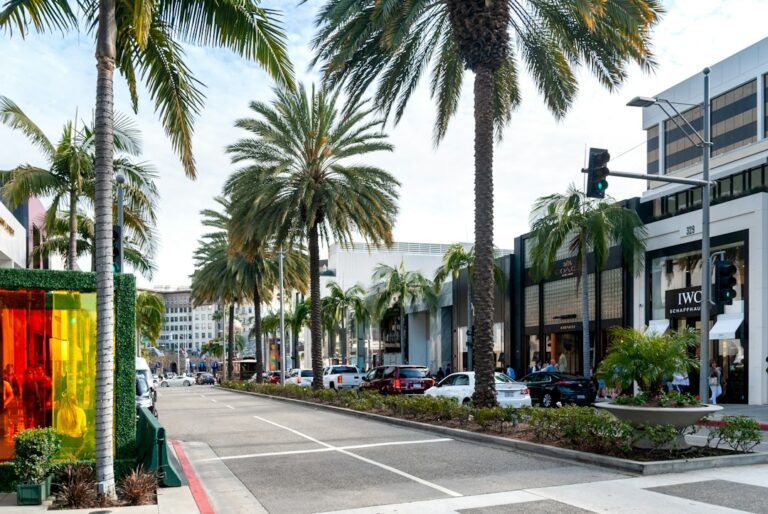 Selling for cash
What Beverly Hills’ Rent Stabilization Ordinance Requires Before You Sell
Beverly Hills runs its own BHMC Chapter 5 and 6 rent rules: caps, BHRent registration, just-cause grounds and relocation fees sellers must clear first.
Read the guide →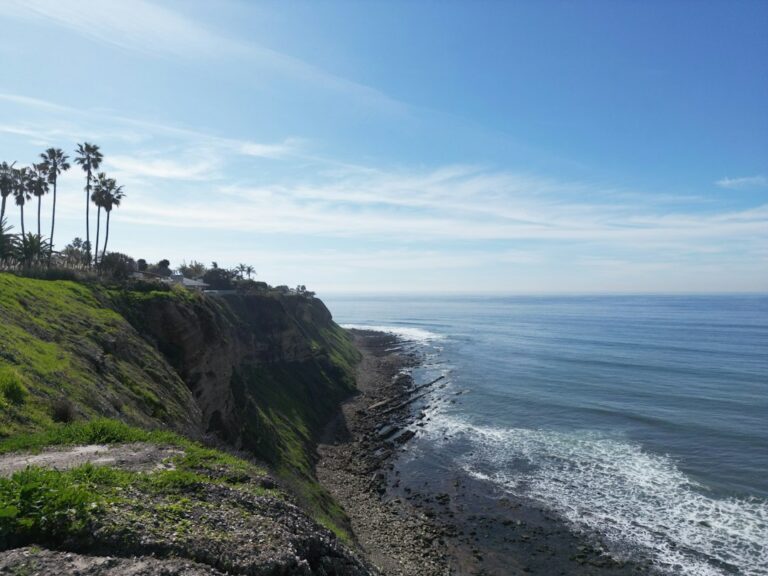 Selling as-is
What Rancho Palos Verdes’ Landslide Zones Mean for a Natural Hazard Disclosure
Rancho Palos Verdes sellers must check a landslide-zone box on the state Natural Hazard Disclosure Statement, separate from the earthquake fault question.
Read the guide → Selling for cash
West Hollywood’s Rent Stabilization Ordinance: What a Seller With Tenants Must Clear First
West Hollywood's rent stabilization law sets strict just-cause rules and relocation fees before you can sell a tenant-occupied rental unit here.
Read the guide → Inherited homes & probate
Partition Actions Between Heirs: How California Law Forces a House Sale
California heirs can force a house sale through a partition action under CCP 872-874, with court referees, confirmation hearings, and buyout rights.
Read the guide →