
Sell a House During Divorce in Lancaster, CA: Signatures, Timing and Escrow
- Foreclosure, inherited, tenants, damage — we buy it
- Zero fees, zero commissions, zero closing costs
- No obligation — turn the offer down and owe us nothing


One Fewer Thing to Negotiate
How California community property rules affect a sale during divorce, and how to move forward without waiting for the case to close.
If you need to sell house during divorce Lancaster couples usually want the same two things: a fair number and as little conflict as possible.
Selling the house is often the simplest way to resolve a shared asset during a divorce, but California’s community property rules add a few requirements that a straightforward sale doesn’t always account for.
Cash Home Buyers CA buys Lancaster houses as-is for cash, works with both spouses and their attorneys, and closes through a neutral title and escrow company that divides the money according to your written instructions.
We buy directly or bring a vetted cash buyer, and when you sell to us, we pay the standard closing costs, including the county and city transfer taxes, escrow and title.
This page covers how community property affects a sale, who must sign, how to time a sale with the divorce case, buyout versus sale, how escrow splits the money, and where Lancaster divorce cases are heard.
Community Property and Whose Signature the Sale Needs
California is a community property state, meaning property acquired during the marriage is presumptively owned equally by both spouses, regardless of whose name is on the deed or the loan.
In practice, that means both spouses generally need to consent to and sign off on a sale of the family home, even if only one spouse is listed on title. A title company will usually require both spouses’ signatures, or a court order, before it will insure the sale.
Not every house is entirely community property. A home one spouse owned before the marriage, or bought with an inheritance, may be separate property or a mix of separate and community interests. Down payments from separate funds can also create reimbursement claims.
These questions affect how the money is divided, not whether the house can be sold, and they are worked out between the spouses and their attorneys or by the court.
Situations We See When Couples Sell in Lancaster
- The family home bought during the marriage. Often a tract house on the west side or a newer subdivision, both names on the loan. Usually community property, with both signatures needed.
- A house in one spouse’s name only. Title in one name does not settle ownership. If it was bought during the marriage with community funds, the other spouse usually still has an interest, and the title company will ask for their signature or a court order.
- A rental the couple owns together. Some couples also own a rental. It can be sold with the tenant in place; our guide to sell house with tenants Lancaster explains how leases carry over.
- A house with a solar lease or PACE assessment. These have to be transferred or paid off at closing, and spouses sometimes disagree about who signed for them. Escrow handles the payoff from the sale.
- A house that needs work neither spouse wants to pay for. Repairs during a divorce are a frequent source of conflict. An as-is sale removes that decision entirely.
Where Lancaster Divorce Cases Are Heard
Family law matters for Lancaster and other Antelope Valley residents are filed in the Los Angeles County Superior Court. The court’s North District courthouse, the Michael D.
Antonovich Antelope Valley Courthouse at 42011 4th Street West in Lancaster, handles divorce cases for the area, and the court’s family law facilitator’s office there can help people without attorneys with forms and procedures. Your attorney or the court clerk can confirm which department your case is assigned to.
For a sale, the court matters in two ways. If both spouses agree, the court usually does not need to be involved in the sale itself. If you cannot agree on whether, when or how to sell, either spouse can ask the court for orders, and the sale then follows what the judge decides.
Automatic Restraining Orders (ATROs)
Once a California divorce petition is filed and served, Automatic Temporary Restraining Orders (ATROs) take effect for both spouses. They generally prevent either spouse from unilaterally transferring, encumbering, or disposing of community property without the other’s written consent or a court order — but they do not prevent a sale both spouses agree to, or one a court has authorized.
Timing a Sale With the Divorce Case
There are three common points at which couples sell:
- Before filing or early in the case. If both spouses already agree the house should go, selling early ends shared mortgage payments and reduces arguments over who pays for what while the case is open. The money can be held in escrow or a blocked account until the division is agreed.
- During the case, by agreement or court order. With both spouses’ written agreement, or a court order authorizing the sale, a house can be sold and escrow closed while the divorce case is still pending.
- After judgment. If the marital settlement agreement or judgment says the house will be sold, it sets the terms: who lists or accepts an offer, how the price is approved, and how the money is split.
Each choice has trade-offs. Selling early stops carrying costs and lets each spouse plan a move; waiting can make sense if one spouse needs the house for the children during the school year. Your attorneys can tell you how the timing affects support, credits for payments made after separation, and tax questions.
Selling Instead of a Buyout
A buyout means one spouse keeps the house and pays the other for their share of the equity, usually by refinancing the mortgage into their own name. That requires qualifying for a new loan on one income, which isn’t always realistic, and agreeing on a value.
When neither spouse wants to, or can afford to, buy out the other’s share of the equity, selling and dividing the net amount according to the terms of a marital settlement agreement is often the cleanest way to resolve the house as a shared asset without dragging out the case.
A written cash offer can help either way. If you are considering a buyout, it gives both sides a concrete, as-is number to use in negotiations alongside an appraisal. If you decide to sell, it gives you a firm price and date.
Agreeing on a Value
Whether you sell or one spouse buys out the other, you need a value both sides accept. Redfin put Lancaster’s median sale price at about $480,000 in August 2026, up 2.1 percent from a year earlier, but your house’s value depends on its neighborhood, lot, age and condition.
A formal appraisal is the usual tool for a buyout. Recent comparable sales from the same part of town help both sides understand the range.
Keep in mind the difference between a value and a net. A retail appraisal assumes a house in good condition sold through a listing; it does not subtract commission, repairs, carrying costs or the time a listing takes.
Our written as-is offer shows a firm net number with no commission and with closing costs paid by us, which is often useful when one spouse wants to list and the other wants a quick, certain sale.
A Pending Divorce Doesn’t Have to Delay the Sale
With both spouses’ written agreement, or a court order authorizing the sale, escrow can close while the case is still open. The closing can be structured to match the terms your attorneys set out, including holding the money in escrow or a blocked account for later division between the parties.
We communicate with both spouses, or with their attorneys if you prefer, so neither side feels the buyer is working with only one of you.
How Escrow Splits the Money
In a sale to us, the purchase price goes into escrow. Escrow pays off the mortgage, any home equity line and any liens, and then divides what remains according to written instructions signed by both spouses or a court order.
That can be an equal split, a different split that accounts for credits and reimbursements, or a full amount held in a blocked account until the court or the settlement says how to divide it. Each spouse can receive a separate wire or check.
Because we pay the standard closing costs, including the county and city transfer taxes, escrow and title, there is no argument about who covers those. And because there is no commission, the number you see on the purchase agreement is much closer to what is actually divided.
The Mortgage, Credit and Who Pays in the Meantime
A divorce does not change who owes the mortgage. If both spouses signed the loan, both stay responsible until it is paid off or refinanced, even if one has moved out. Missed payments during a long case can hurt both credit reports and, in the worst case, lead to foreclosure. If payments are already behind, our page on how to sell house in foreclosure Lancaster explains the timeline.
Who pays the mortgage, taxes and insurance while the case is open is often part of temporary orders or an agreement between the spouses, and payments after separation can lead to credits when the money is divided. Keep records of everything each of you pays.
Taxes When Selling the Family Home in a Divorce
Under federal tax law, a seller who owned and lived in a home as a main residence for at least two of the five years before the sale can generally exclude up to $250,000 of gain, or up to $500,000 for a married couple filing jointly who meet the rules.
Divorce raises timing questions: whether you are still married at the end of the tax year, and whether a spouse who moved out still qualifies. Ask a tax professional how the timing of the sale affects your situation.
Escrow will also handle California Form 593 withholding paperwork, which can apply to California residents too, not just out-of-state sellers.
Listing vs. a Cash Sale During a Divorce
Listing a house during a divorce means agreeing on an agent, a list price, repairs, staging, showings, every offer and every counteroffer, often while the two of you are barely speaking.
In Lancaster, Redfin reported a median of 38 days on market in August 2026, and a financed escrow adds a month or more after that. For a renovated house and cooperative spouses, a listing can bring a higher price.
For a house that needs work, or a couple who would rather make one decision instead of twenty, a direct cash sale reduces the friction: one walkthrough, one written offer, and a closing date you both sign off on. Our page on how to sell house as-is Lancaster covers selling without repairs.
When One Spouse Still Lives in the House
Often one spouse and the children stay in the house during the case. That can make showings difficult and cleaning or repairs a source of conflict.
A direct sale needs only one walkthrough, scheduled with the spouse who lives there, and the closing date can be set around the school calendar or a move-out date written into the agreement.
If the remaining spouse needs a few extra weeks, a short rent-back after closing can be included in the purchase agreement.
Belongings, Move-Out and the Last Walkthrough
Dividing furniture and personal items is part of the divorce, not the sale, but the sale date gives everyone a deadline. Agree in writing on who takes what and when each spouse will have access to collect their things.
Anything left behind at closing can stay; we handle the cleanout, so no one has to argue over who pays for a dumpster. If one spouse has already moved out, they do not need to come back for the walkthrough.
Working With Both Attorneys
Many couples prefer that communication about the sale go through their attorneys. That works well with a direct sale: we send the written offer and the purchase agreement to both attorneys, escrow receives instructions approved by both sides, and the closing date can match a hearing or settlement date.
When owners ask how to sell house during divorce Lancaster cases without adding another fight, this is usually the answer: one neutral escrow, one set of written instructions, and no one asked to trust the other spouse’s word.
Questions to Settle Before Accepting Any Offer
A short written agreement between the spouses prevents most last-minute problems in escrow. Before you accept an offer from us or anyone else, try to agree on:
- The lowest price both of you will accept, or who has authority to approve an offer.
- The closing date, and whether either spouse needs a rent-back.
- How the money will be divided, or whether escrow should hold it until the court decides.
- Who pays the mortgage, insurance and utilities until closing.
- Who will be the contact person for escrow, or whether communication goes through the attorneys.
- What happens to furniture and belongings left in the house.
Your attorneys can put these points into a stipulation or include them in the settlement, and escrow can follow them exactly.
When There Is Little or No Equity
Not every divorcing couple has equity to divide. If the loan balance is close to or above what the house would sell for, the question becomes how to end the shared obligation with the least damage to both credit reports.
Options include a sale that just covers the payoff, a short sale with the lender’s approval, or one spouse keeping the house and refinancing if they can.
A written as-is offer tells you quickly which of these is realistic, so you are not paying carrying costs for months on a house that cannot produce anything to divide.
Step by Step: Selling to Us During a Divorce
- Either spouse, or an attorney, contacts us at (424) 435-2326. We send information to both sides.
- One walkthrough, scheduled with whoever lives in the house.
- A written offer within 24 hours, sent to both spouses or both attorneys.
- Both spouses sign the purchase agreement, or the sale proceeds under a court order.
- Escrow opens with a neutral title and escrow company and receives written instructions on dividing the money.
- Each spouse signs in front of a notary, at a separate appointment if preferred.
- Escrow closes, pays off the loan, and disburses each share as instructed.
For more detail on each step, see cash offer for my house Lancaster.
Sell House During Divorce Lancaster: Frequently Asked Questions
Can one spouse sell the house without the other’s consent during divorce?
Generally no. Community property typically requires both spouses’ signatures to sell, regardless of whose name is on title, and once the case is filed the automatic restraining orders also restrict a one-sided sale.
Do we need a judge’s order to sell while the divorce is pending?
Not necessarily, if both spouses agree in writing. A court order is typically needed only if the spouses can’t agree.
What happens to the money from the sale?
It’s generally divided according to your marital settlement agreement or a court order — escrow can hold or split funds as the written instructions specify.
Can you close before the divorce is finalized?
Yes, as long as both spouses consent to the sale or a court has authorized it.
Where is a Lancaster divorce case heard?
Lancaster divorces are filed in the Los Angeles County Superior Court, and the Antelope Valley Courthouse at 42011 4th Street West in Lancaster serves the area.
Can we sign at different times?
Yes. Escrow can schedule separate notary appointments for each spouse, so you never need to be in the same room.
What if my spouse won’t respond?
If one spouse will not agree or sign, the other can ask the family court for orders about the house, including an order authorizing a sale. Once a court order is in place, the sale can proceed according to its terms.
Does the house have to be cleaned or repaired before we sell?
No. We buy as-is, so neither spouse has to pay for repairs, cleaning or staging, and anything left in the house after closing is our responsibility.
Who pays closing costs?
When you sell to us, we pay the standard closing costs, including the county and city transfer taxes, escrow and title. There is no commission.
What if one of us wants to keep the house?
Then a buyout may be the better route. Our written as-is offer can still help as one reference point for the value, alongside an appraisal.
Talk to Us About Selling During a Divorce
Call or text (424) 435-2326 or use the form at the top of this page. We can talk with either spouse or with both attorneys, and the written offer is free with no obligation.
Get a free, no-obligation cash offer from Cash Home Buyers CA today.
Seller Guides
Helpful guides for homeowners in Lancaster
Plain-English answers to the questions sellers ask us most.
 Inherited homes & probate
What Probate Actually Looks Like for an Inherited House in Fresno County
Probate for an inherited Fresno County house runs through one courthouse, but the timeline depends on how title was held. What to expect, step by step.
Read the guide → Inherited homes & probate
Partition Actions Between Heirs: How California Law Forces a House Sale
California heirs can force a house sale through a partition action under CCP 872-874, with court referees, confirmation hearings, and buyout rights.
Read the guide →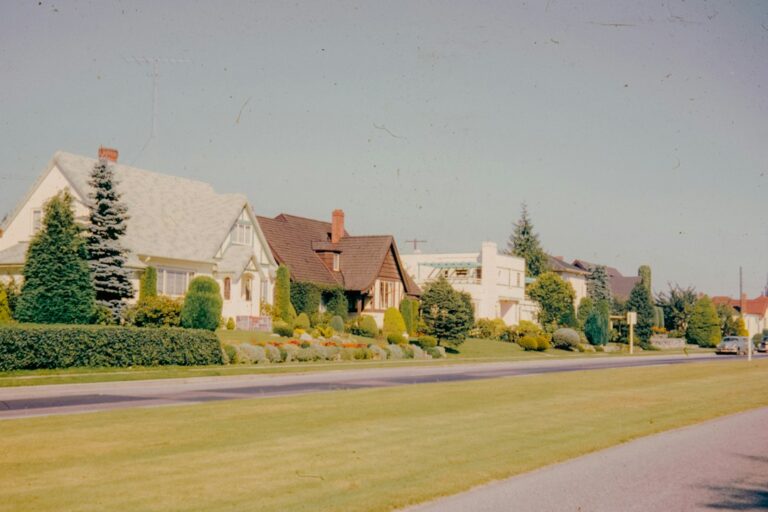 Divorce
Divorcing in North Long Beach? Who Gets the House, and What Taxes Follow
Divorcing in North Long Beach, CA? Learn how buyouts, Duke orders, Watts/Epstein credits, and capital gains tax rules affect splitting your house.
Read the guide → Divorce
Why a West Covina Divorce Sale Doesn’t Always Trigger a Tax Reassessment
A West Covina divorce buyout usually keeps the home's Prop 13 tax basis, but selling to a cash buyer does not. See how that affects your decision.
Read the guide →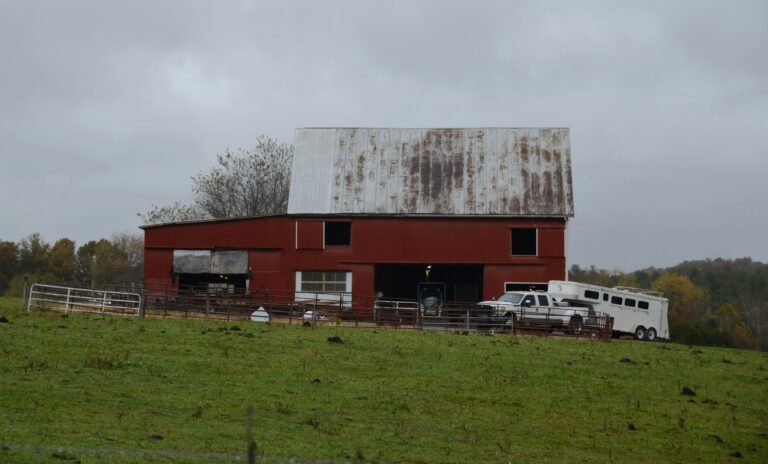 Divorce
Who Gets Credit for the Down Payment on an Agua Dulce Ranch in a Divorce
Learn how California Family Code Section 2640 reimburses a separate-property down payment on an Agua Dulce horse property when a marriage ends in divorce.
Read the guide → Divorce
Dividing a House in an Avalon, CA Catalina Divorce
Dividing an Avalon, CA home in divorce? See how California community property law, rental license limits, and island appraisals affect your split.
Read the guide → Divorce
Separate Property Reimbursement in a Monrovia Divorce
How Family Code 2640 and the Moore/Marsden formula decide what a spouse gets back before a Monrovia, CA home sells or one spouse buys the other out.
Read the guide → Divorce
How Community Property Division Works for a Whittier Home Sale
See how California law splits community versus separate property for a Whittier house sale during divorce, and what each spouse can claim back.
Read the guide → Divorce
How Community Property Division Plays Out for a Duarte, CA Home
How California's community property law divides a Duarte home in divorce, including Family Code 2640 reimbursement, Watts charges, and Epstein credits.
Read the guide →